Table of Contents
Blender is a popular open-source 3D graphics software used by professionals and amateurs alike. It is constantly evolving with new features and improvements being added with each update. However, some users may prefer to use an older version of Blender due to various reasons such as compatibility issues or personal preference. This article aims to explore the differences between an older version of Blender and the latest version, providing an overall comparison of the two.
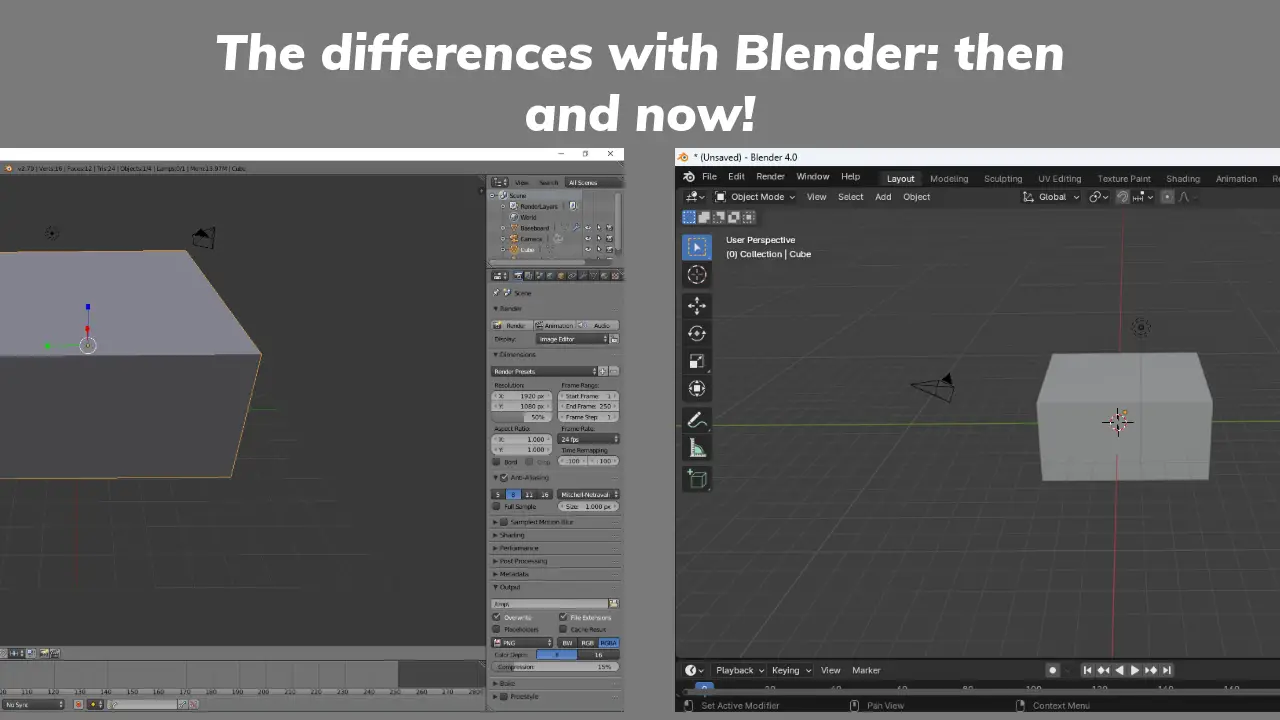
One of the most noticeable changes between older and newer versions of Blender is the interface. Blender has undergone significant interface changes over the years, with the latest version featuring a more streamlined and user-friendly interface. However, some users may prefer the older interface due to its familiarity or because they find it easier to navigate. This article will provide an overview of the interface changes between the two versions.
In addition to interface changes, there are also differences in features and performance between the two versions. The latest version of Blender comes with a range of new tools and features that were not present in older versions. However, some users may find that the older version still meets their needs and prefer not to upgrade. This article will compare the features and performance of the two versions to help users make an informed decision.
Key Takeaways
- Blender has undergone significant interface changes over the years, with the latest version featuring a more streamlined and user-friendly interface.
- The latest version of Blender comes with a range of new tools and features that were not present in older versions, but some users may prefer the older version due to compatibility or personal preference.
- Overall, users should consider their individual needs and preferences when deciding whether to use an older or newer version of Blender.
Overview of Interface Changes
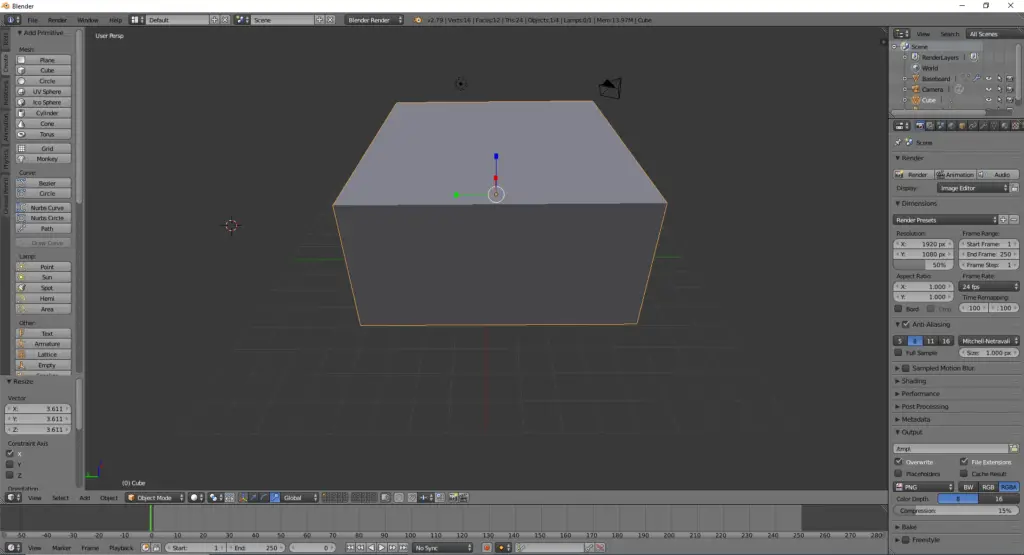
Blender has undergone several changes in its interface over the years. In this section, we will discuss the major differences between the older versions of Blender and the latest version.
Layout and Navigation
In the older versions of Blender, the interface was cluttered and confusing to navigate. The latest version of Blender has a cleaner and more organized interface. The layout of the interface has been redesigned to make it more intuitive for users. The toolbar is now located on the left side of the screen, and the properties panel is on the right side. The 3D view is now the main focus of the interface, with the other panels hidden until needed.
The navigation in the latest version of Blender has also been improved. The zoom, pan, and rotate functions are now more intuitive and easier to use. The user can navigate the 3D view using the mouse or keyboard shortcuts.
Toolbars and Editors
The toolbars and editors in the latest version of Blender have been redesigned to be more user-friendly. The toolbar now has a search function that allows the user to quickly find the tool they need. The editors have also been improved, with a new tabbed interface that allows the user to switch between different editors quickly.
In the older versions of Blender, the toolbars and editors were cluttered and confusing. The tools were not organized, and it was difficult to find the tool you needed. The editors were also difficult to use, with a confusing layout that made it hard to work with.
Overall, the changes made to the interface in the latest version of Blender have made it more user-friendly and intuitive. The layout and navigation have been improved, and the toolbars and editors are now more organized and easier to use. These changes have made Blender a more powerful and efficient tool for 3D modeling and animation.
Feature Comparisons
Modeling Tools
When it comes to modeling tools, the latest version of Blender offers a more user-friendly and intuitive interface compared to the older versions. The latest version has a more streamlined workflow, which makes it easier to create complex models quickly. The older versions of Blender, on the other hand, require a steeper learning curve to master.
Texturing and Materials
The latest version of Blender offers a more advanced and sophisticated texturing and material system. It has a new physically-based rendering engine that allows users to create more realistic textures and materials. The older versions of Blender, however, have a more basic texturing and material system that is not as powerful as the latest version.
Animation and Rigging
The latest version of Blender offers a more advanced and sophisticated animation and rigging system. It has a new animation system that allows users to create more complex animations with ease. The older versions of Blender, on the other hand, have a more basic animation and rigging system that is not as powerful as the latest version.
Rendering Engines
The latest version of Blender has a new physically-based rendering engine that allows users to create more realistic and accurate renders. This new engine is more powerful than the older rendering engines in the previous versions of Blender. The older versions of Blender, on the other hand, have a more basic rendering engine that is not as powerful as the latest version.
Performance and Optimization
System Requirements
The older versions of Blender had relatively lower system requirements compared to the latest version. For instance, Blender 2.4x series could run on a machine with a 32-bit processor, 512 MB RAM, and a graphics card with 16 MB VRAM. However, the latest version of Blender requires a 64-bit processor, 4 GB RAM, and a graphics card with at least 2 GB VRAM.
Real-Time Performance
The latest version of Blender comes with several features that enhance real-time performance. For instance, it has an improved viewport that allows users to preview their projects in real-time. This feature was not available in the older versions of Blender. Additionally, the latest version has a better handling of large datasets, making it easier to work on complex projects.
Rendering Speed
Blender’s latest version has improved rendering speed compared to the older versions. The latest version has a new rendering engine called Eevee, which provides real-time rendering capabilities. This feature was not available in the older versions of Blender. Additionally, the latest version has a more efficient rendering system, which allows users to render their projects faster.
In conclusion, the latest version of Blender has several performance and optimization improvements compared to the older versions. However, users with older machines may find it challenging to run the latest version due to the higher system requirements.
File Compatibility and Support
Project File Upgrades
One of the significant differences between an older version of Blender and the latest version is the file compatibility and support. The latest version of Blender has significant improvements in the file format and can read and write various file formats. However, older versions of Blender may not be able to open files saved in the latest version of Blender.
When upgrading from an older version of Blender to the latest version, users may need to upgrade their project files to ensure compatibility. Blender provides an option to upgrade the project file to the latest version, which converts the file to the latest format. However, users should be cautious when upgrading project files as some features may not be compatible with the latest version.
Add-Ons and Extensions
Another difference between an older version of Blender and the latest version is the support for add-ons and extensions. Blender has an extensive library of add-ons and extensions that enhance the functionality of the software. However, not all add-ons and extensions are compatible with older versions of Blender.
When upgrading to the latest version of Blender, users may need to update their add-ons and extensions to ensure compatibility. Some add-ons and extensions may not be available for older versions of Blender, which limits the functionality of the software.
In conclusion, file compatibility and support for add-ons and extensions are significant differences between an older version of Blender and the latest version. Upgrading to the latest version may require users to upgrade their project files and update their add-ons and extensions to ensure compatibility.
Community and Resources
User Community
One of the major differences between the older version of Blender and the latest version is the size and diversity of the user community. With the growth of Blender’s popularity, the community has become more active and diverse, with users from different backgrounds and skill levels. The community provides a platform for users to connect, share their work, and collaborate on projects.
The latest version of Blender has a larger user base, which means that users can easily find help and support from other users. The community provides a wealth of knowledge and resources, including forums, social media groups, and online tutorials. Users can get feedback on their work, ask for help, and share their knowledge with others.
Learning Materials
Another significant difference between the older version of Blender and the latest version is the availability of learning materials. The latest version of Blender has a vast range of learning materials, including online tutorials, documentation, and video courses. Users can access these resources for free or at a low cost, making it easier to learn Blender.
The older version of Blender had fewer learning resources available, and users had to rely on books or other offline resources. However, the Blender community has been active for many years, and there are still many resources available for the older version of Blender. Users can find tutorials and documentation online, and some websites offer courses specifically for the older version of Blender.
In summary, the latest version of Blender has a larger and more diverse user community, which provides a wealth of knowledge and resources for users. The availability of learning materials has also increased, making it easier for users to learn Blender. However, the older version of Blender still has resources available, and users can still find support and learning materials online.
Conclusion
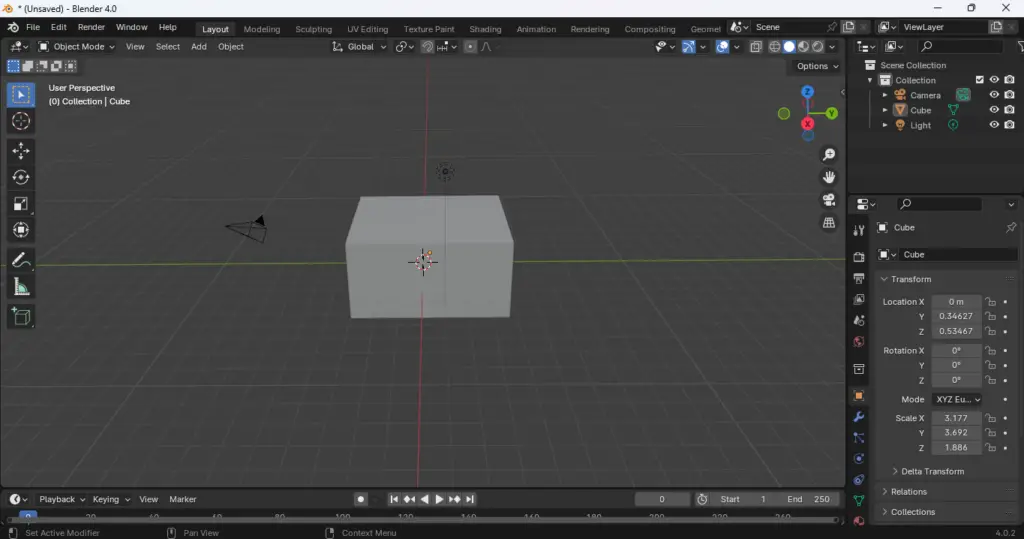
In summary, the older version of Blender differs from the latest version in several ways. The older version lacks some of the advanced features that the latest version has, such as improved rendering capabilities and advanced simulation tools. Additionally, the older version may have stability issues and may not be compatible with newer operating systems.
However, the older version of Blender still has its advantages. It may be more straightforward and easier to use for beginners, and it may run more smoothly on older hardware. Furthermore, some users may prefer the older version’s interface and find it more intuitive.
Overall, the decision to use an older version of Blender versus the latest version depends on the user’s needs and preferences. While the latest version may have more advanced features, the older version may be more suitable for certain tasks or users. It is recommended that users try both versions and determine which one works best for them.
Frequently Asked Questions
What are the primary differences between the latest and older versions of Blender?
The latest versions of Blender come with several new features, improvements, and bug fixes. Some of the significant changes include better user interface, improved Cycles rendering engine, and support for 3D printing. Older versions of Blender may lack some of these features and improvements.
Is it possible to use older Blender files with the latest version?
Yes, it is possible to use older Blender files with the latest version. However, there may be some compatibility issues, especially if the files were created using a significantly older version of Blender.
How does the Blender LTS release differ from the standard version?
The Blender LTS (Long-Term Support) release is a version of Blender that is supported for an extended period, usually two years. It is designed for users who prefer stability over new features and improvements. The LTS release receives critical bug fixes and security updates, but it lacks some of the latest features found in the standard version.
What are the pros and cons of updating to the newest version of Blender?
The pros of updating to the latest version of Blender include access to new features, improvements, and bug fixes. The cons may include compatibility issues with older files, a learning curve for new features, and potential bugs in the new version.
Can features from newer Blender versions be found in older releases?
No, features from newer Blender versions cannot be found in older releases. However, some of the functionality of the newer features may be achievable through alternative means in older versions.
How does the performance of the latest Blender version compare to its predecessors?
The performance of the latest Blender version has improved significantly compared to its predecessors. The latest version has better performance in areas such as rendering, viewport, and animation playback. However, the performance may vary depending on the hardware specifications of the computer running Blender.
And, we will be building models on Blender real soon. Stay tuned for upcoming posts on them. Check out the latest version of Blender here. If you are into more projects such as Maya 3D that we made for the blog, then I suggest you check out our main blog categories and some extra stories on our blog.