Table of Contents
Video Concept
Introduction
TileVania is a popular 2D platformer game that has been gaining traction among gamers and game developers alike. With its unique gameplay mechanics and charming pixel art style, it has become a favorite among those who enjoy a good old-fashioned side-scrolling adventure. However, for those who are new to the game or looking to improve their skills, the TileVania Tutorial is a great place to start.
The TileVania Tutorial is a comprehensive guide that takes players through the basics of the game and teaches them the skills they need to progress through the levels. It is divided into several sections, each covering a different aspect of the game, from movement and jumping to combat and puzzle-solving. The tutorial is designed to be accessible to players of all skill levels, and it provides a great foundation for those who want to dive deeper into the game.
Overall, the TileVania Tutorial is a well-structured and informative guide that provides players with the tools they need to succeed in the game. It is a great resource for beginners and experienced players alike, and it is definitely worth checking out if you are a fan of the game.
Overview of TileVania
TileVania is a 2D platformer game that is created using Unity. It is designed to teach the fundamentals of game development, specifically level design, to beginners. The game is created by Glitch and is available on their website for free.
Gameplay Mechanics
The gameplay mechanics of TileVania are straightforward and easy to understand. The game is played using the arrow keys to move the character and the space bar to jump. The character can also shoot projectiles to defeat enemies.
One of the unique features of TileVania is the ability to create custom levels. This feature is accessible through the level editor, which is included in the game. Players can create their own levels and share them with others, which adds to the replayability of the game.
Graphics and Simplicity
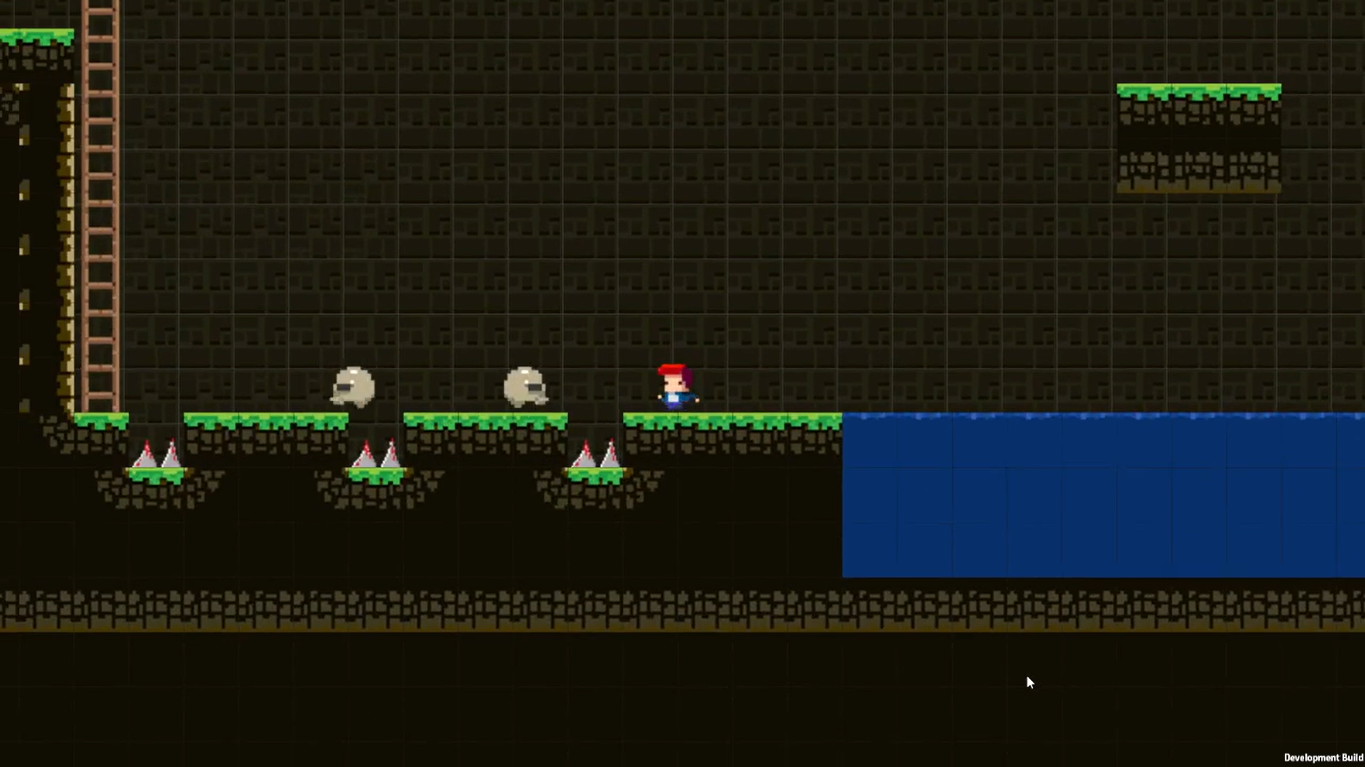
The graphics of TileVania are simple but effective. The game uses pixel art graphics that are reminiscent of classic 2D platformers. The colors are bright and vibrant, which adds to the overall aesthetic of the game.
The audio in TileVania is also well done. The sound effects are appropriate and add to the immersion of the game.
Level Design
The level design in TileVania is where the game really shines. The levels are well designed and progressively get more challenging as the player progresses through the game. The game also includes a tutorial level, which teaches the player the basics of level design.
The level editor in TileVania is also easy to use and allows players to create custom levels quickly and easily. The editor includes a variety of tools and assets that can be used to create unique and challenging levels.
Overall, TileVania is a great game for beginners who want to learn the basics of game development and level design. The gameplay mechanics are easy to understand, the graphics and audio are well done, and the level design is challenging and engaging.
Tutorial Structure
The tutorial structure of TileVania is well-organized and easy to follow. It is divided into several sections that provide step-by-step guidance, challenges and solutions, and supplementary resources to help the user learn the game development process.
Step-by-Step Guidance
The step-by-step guidance section provides a detailed walkthrough of the game development process. It covers everything from setting up the project to creating game mechanics and adding sound effects. Each step is clearly explained, and the user is provided with the necessary code snippets to implement the functionality.
Challenges and Solutions
The challenges and solutions section provides the user with real-world scenarios that they may encounter while developing their game. It presents common problems and their solutions in a clear and concise manner. This section is particularly useful for those who are new to game development and may not know how to troubleshoot issues.
Supplementary Resources
The supplementary resources section provides additional materials that the user can use to enhance their knowledge of game development. It includes links to relevant articles, videos, and forums where the user can ask questions and interact with other developers.
Overall, the tutorial structure of TileVania is well-designed and user-friendly. It provides the user with a clear path to follow and ensures that they have the necessary resources to succeed.
User Experience
Ease of Learning
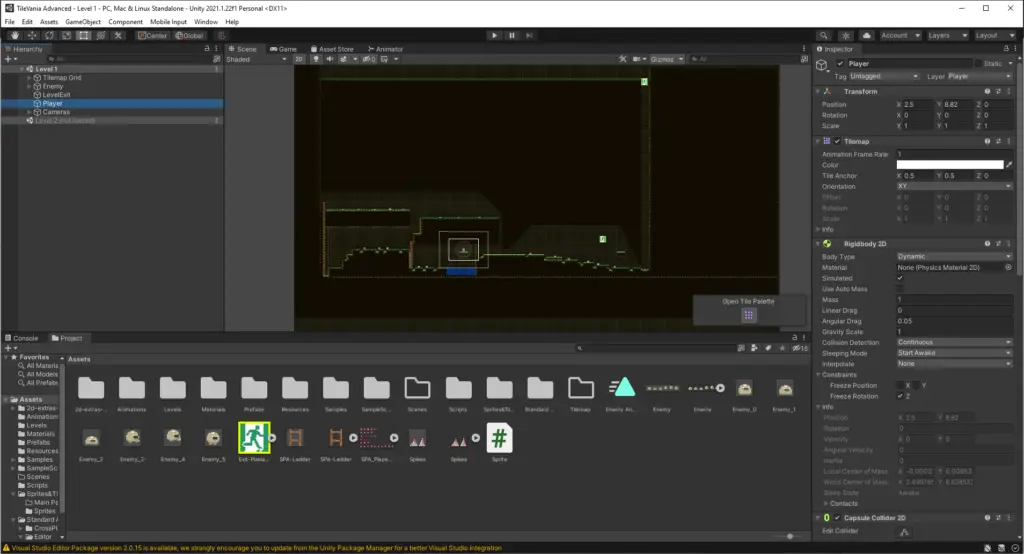
TileVania is a platformer game creation tool that is easy to learn. The tutorial is well-structured, providing a step-by-step guide to creating a basic game. The toolset is intuitive and easy to use, even for those new to game development. The user interface is clean and straightforward, with clear labels and icons that make it easy to navigate.
Interactivity
The interactivity of TileVania is impressive. The game creation tool allows users to create interactive environments and characters with ease. The drag-and-drop functionality is intuitive, and the toolset provides a wide range of options for creating interactive elements. The game engine is smooth and responsive, providing a seamless experience for players.
Overall, the user experience of TileVania is excellent. The ease of learning and interactivity make it a great tool for both novice and experienced game developers. The toolset is intuitive and easy to use, and the game engine is smooth and responsive.
Performance Analysis
Efficiency
TileVania is a lightweight game engine that runs smoothly on most modern computers. The engine is optimized for performance, and it shows in the way the game runs. TileVania’s performance is impressive, even on low-end hardware. The engine uses a minimal amount of system resources, which means that it can run on older machines without any problems.
The engine’s efficiency is evident in the way it handles large levels with many objects. TileVania can handle large levels with ease, and it doesn’t slow down or stutter. The engine’s efficient use of resources means that it can handle complex levels without any problems.
Compatibility
TileVania is compatible with a wide range of platforms, including Windows, Mac, and Linux. The engine is also compatible with a variety of game controllers, including Xbox and PlayStation controllers. TileVania’s compatibility with different platforms and controllers makes it easy for developers to create games that can be played on multiple devices.
The engine is also compatible with a variety of file formats, including PNG, JPG, and GIF. This compatibility makes it easy for developers to import assets into the game without any issues. TileVania’s compatibility with different file formats also means that developers can use a variety of tools to create assets for their games.
In conclusion, TileVania’s performance and compatibility make it an excellent choice for game developers who want to create games that run smoothly on a variety of platforms. The engine’s efficient use of resources and compatibility with different platforms and file formats make it a versatile and powerful tool for game development.
Community Feedback
User Reviews
The TileVania Tutorial has received mixed reviews from users. Some users found the tutorial to be very helpful and easy to follow, while others found it to be confusing and difficult to understand. Many users appreciated the detailed explanations and step-by-step instructions provided in the tutorial, but some felt that the tutorial lacked depth and did not cover advanced topics.
One common complaint among users was that the tutorial did not provide enough examples or exercises for users to practice what they had learned. Some users also felt that the tutorial was too focused on specific tools and technologies, and did not provide enough general programming concepts.
Developer Responses
The developers of TileVania have responded to user feedback by releasing updates to the tutorial. These updates include additional examples and exercises, as well as more detailed explanations of key concepts. The developers have also made an effort to address user concerns about the tutorial’s focus on specific tools and technologies, by providing more general programming concepts and principles.
Overall, the developers have been receptive to user feedback and have made a concerted effort to improve the tutorial based on that feedback. While some users may still find the tutorial to be lacking in certain areas, the developers’ responsiveness to user feedback is a positive sign for the future of the tutorial.
Personal Verdict
Strengths and Weaknesses
After going through the TileVania tutorial, it is clear that the tutorial has several strengths that make it a valuable resource for anyone interested in learning how to create 2D games. One of the main strengths of the tutorial is its clear and concise instructions. The tutorial provides step-by-step guidance on how to create a basic 2D platformer game using the TileVania asset pack, making it easy for beginners to follow along.
Another strength of the TileVania tutorial is the quality of the assets used in the tutorial. The TileVania asset pack is well-designed and provides a great starting point for anyone looking to create a 2D platformer game. The assets are easy to work with, and the tutorial provides guidance on how to use them effectively.
However, the tutorial does have a few weaknesses that should be noted. One of the main weaknesses is that the tutorial assumes a basic level of familiarity with Unity. While the tutorial provides guidance on how to use the TileVania asset pack, it does not provide a comprehensive introduction to Unity. This means that beginners may struggle with some of the more advanced concepts covered in the tutorial.
Final Recommendation
Overall, the TileVania tutorial is a great resource for anyone looking to learn how to create 2D platformer games using Unity. The tutorial is well-designed, easy to follow, and provides a great starting point for beginners. However, it is important to note that the tutorial assumes a basic level of familiarity with Unity, so beginners may need to do some additional research in order to fully understand some of the more advanced concepts covered in the tutorial.
Frequently Asked Questions
What are the key features of the TileVania tutorial for game development?
The TileVania tutorial is a comprehensive guide for developing a 2D platformer game using Unity. It covers essential topics such as level design, character movement, enemy behavior, and more. The tutorial also includes assets such as sprites, sound effects, and music to help developers create a polished final product.
How does the TileVania tutorial compare to other platformer game development tutorials?
Compared to other platformer game development tutorials, TileVania stands out for its clear and concise explanations, well-structured lessons, and practical examples. The tutorial is suitable for both beginners and advanced developers, and it provides a solid foundation for creating platformer games in Unity.
Can beginners handle the TileVania tutorial, or is it more suited for advanced developers?
The TileVania tutorial is designed to be accessible to beginners, but it also offers valuable insights and techniques for more experienced developers. The tutorial starts with basic concepts and gradually builds up to more advanced topics, making it an excellent resource for anyone interested in game development.
What are the common challenges faced while following the TileVania tutorial, and how can they be overcome?
Some common challenges that developers may face while following the TileVania tutorial include debugging errors, adjusting to new programming concepts, and customizing the game to fit their vision. However, the tutorial provides clear explanations and solutions for these challenges, and developers can also seek help from online forums or support groups.
How long does it typically take to complete the TileVania tutorial?
The TileVania tutorial consists of 25 lessons, and it can take anywhere from a few days to several weeks to complete depending on the developer’s experience level and pace. However, the tutorial is designed to be self-paced, and developers can take as much time as they need to fully understand and apply the concepts.
Are there any community-created resources or support groups for the TileVania tutorial?
Yes, there are several online communities and support groups dedicated to the TileVania tutorial, including forums, Discord servers, and Reddit groups. These resources offer additional help, feedback, and inspiration for developers working on their TileVania projects.
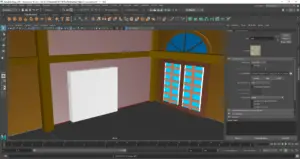
If you are into more projects such as Maya 3D that we made for the blog, then I suggest you check out our main blog categories and some extra stories on our blog.